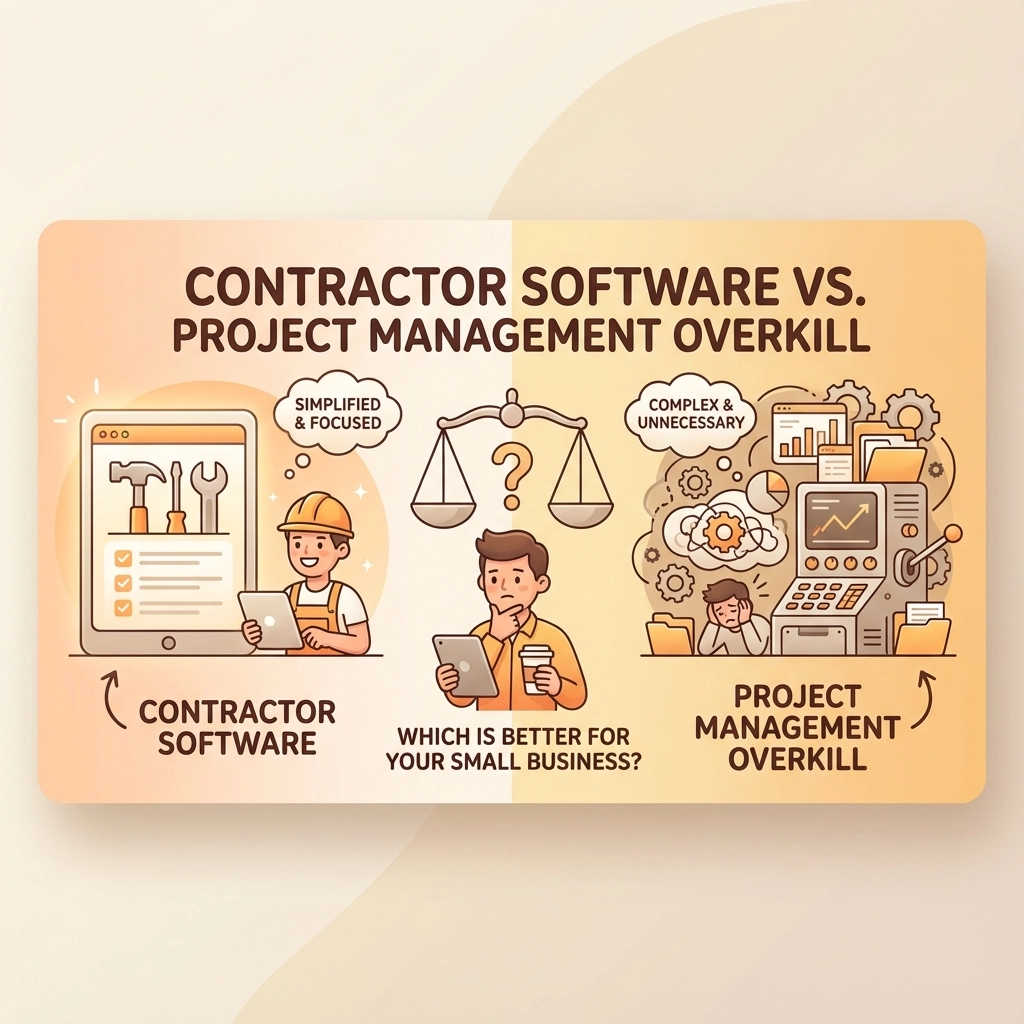
As a small contractor, you've probably felt the pressure to adopt "modern software solutions." But here's the thing: most of what's being pushed on contractors today is massive overkill for what you actually need to get done.
The construction software market is flooded with platforms that promise to "revolutionize your business" by cramming everything from dispatching to CRM to accounting into one bloated system. Meanwhile, you just want to document your work professionally and move on to the next job.
Let's break down what you really need versus what software companies think you need.
What Most "All-in-One" Platforms Actually Give You
The typical construction management platform comes loaded with features that sound impressive in sales demos but create headaches in real life:
Forced Feature Bundling
- Dispatching systems (when you already know where your jobs are)
- CRM modules (for tracking leads you get through word-of-mouth)
- Scheduling tools (when you work with the same crew every day)
- Mandatory team seats (even if you work solo)
Complex Setup Requirements
- Weeks of onboarding and configuration
- Training sessions just to upload photos
- Multiple dashboards to learn and navigate
- Integration requirements with other systems you don't use
Pricing That Doesn't Make Sense
- Enterprise-level monthly fees for basic needs
- Tiered pricing that locks useful features behind higher plans
- Mandatory multi-user minimums
- "Contact sales" pricing (never a good sign)

The Real Cost of Complexity
Here's what happens when you choose an overcomplicated platform:
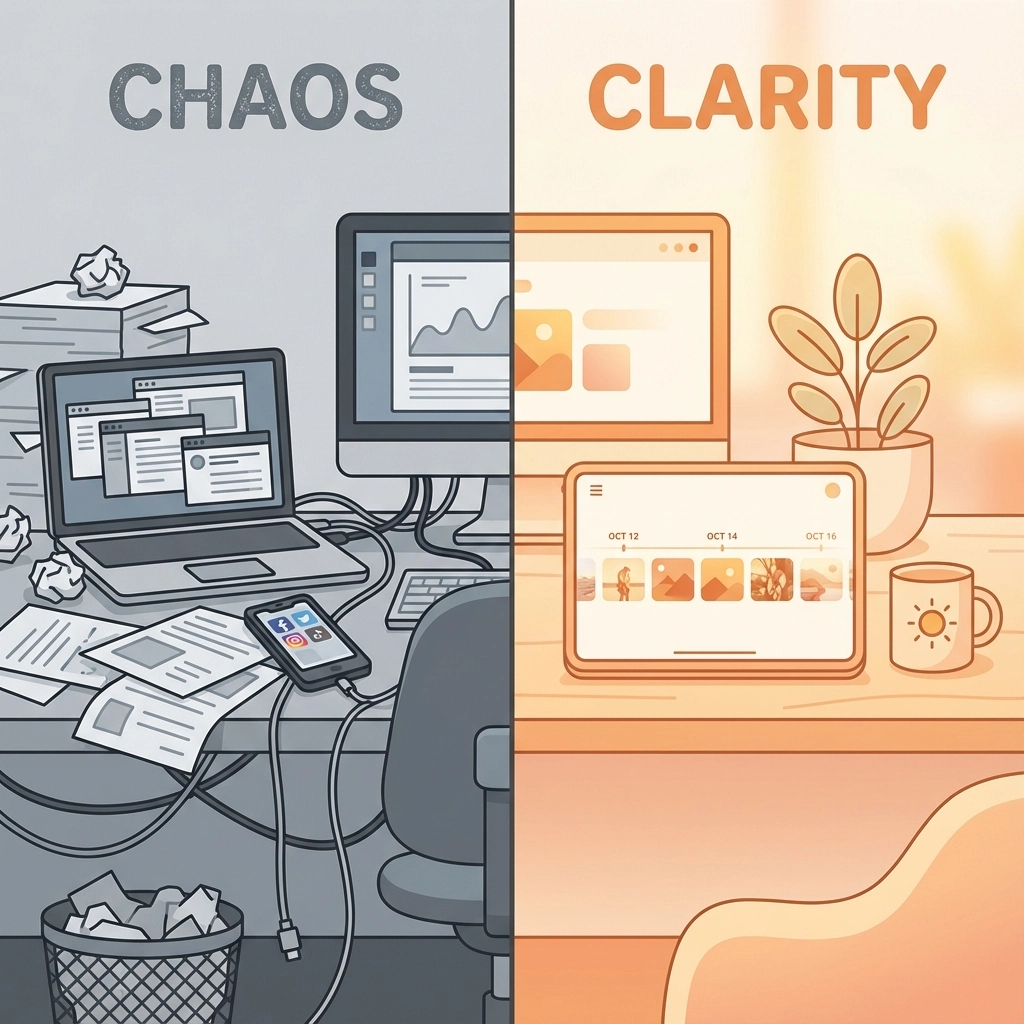
You spend more time managing the software than using it. Photos get buried across different tabs and workflows. Simple tasks require multiple steps and logins. Your clients get confused trying to access project updates through clunky portals.
The result? You're paying premium prices for enterprise software complexity while still struggling to organize basic job photos and share them professionally with clients.
What Small Contractors Actually Need
Let's get real about what matters for a small service business:
Job Documentation That Makes Sense
- Photos organized by specific jobs, not scattered across folders
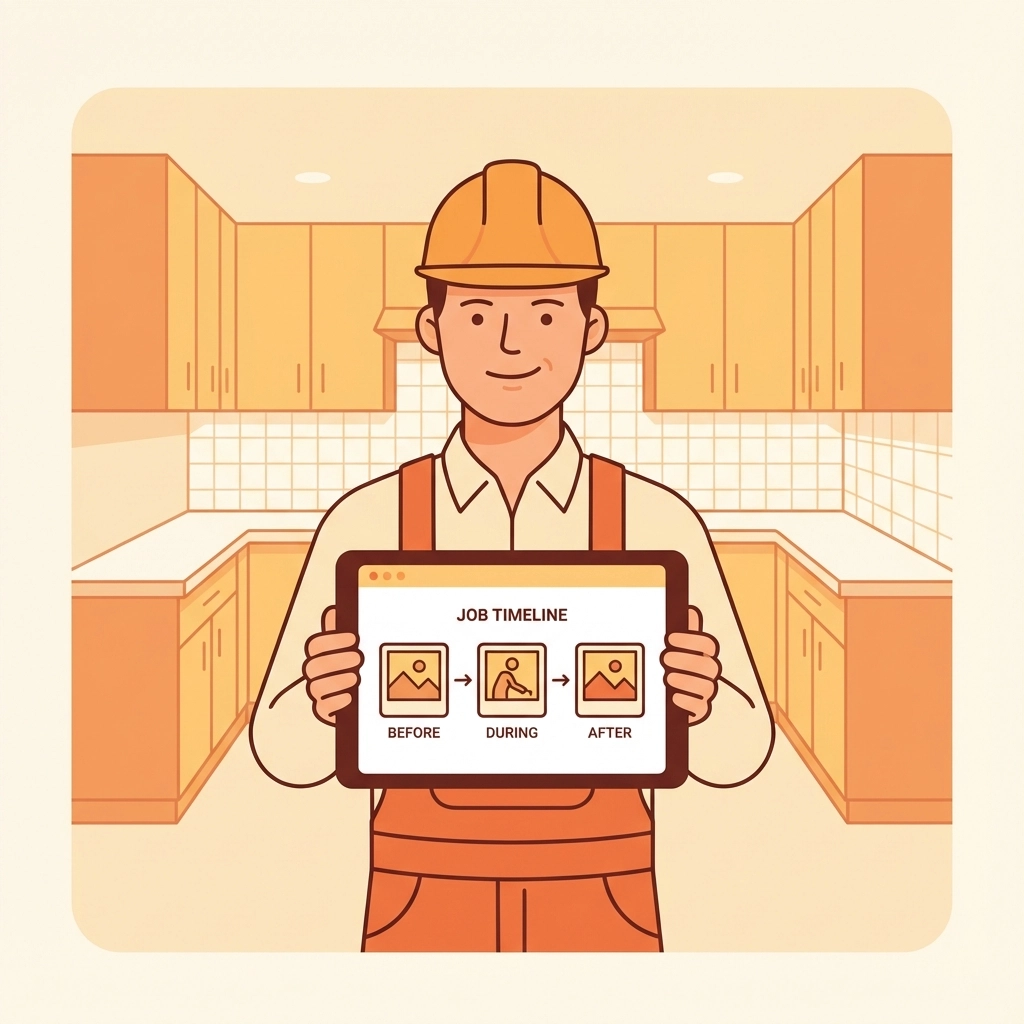
- Clear before-and-after timelines that tell the story
- Notes tied to actual work being done
- Time-stamped records for accountability
Professional Client Communication
- Clean, read-only project timelines clients can access
- No app downloads or login requirements for customers
- Professional presentation that builds trust and credibility
Simple, Predictable Pricing
- One monthly fee that covers what you need
- No forced user minimums or long-term contracts
- Transparent pricing you can budget for
A Better Approach: Purpose-Built Simplicity
This is where focused tools like JobLuma make more sense than comprehensive platforms. Instead of trying to be everything to everyone, purpose-built software does one thing extremely well.
JobLuma's Focused Design
- Job-based photo documentation
- Clean chronological timelines
- Professional client sharing
- Notes tied to specific work
That's it. No dispatching modules you don't need. No CRM for leads you already get through referrals. No scheduling system for your two-person crew.
Instant Usability
You don't spend weeks configuring JobLuma. You open it, start documenting work, and immediately get professional results. No training required, no complex setup, no onboarding calls.
One Job = One Story
Every job gets a single timeline with chronological photos and notes. No hunting across multiple tabs. No sorting through unrelated data. Just a clear record of what was done, when it was done, and how it turned out.
When Comprehensive Platforms Make Sense
To be fair, massive project management platforms do serve a purpose: just not for most small contractors.
You might need comprehensive software if:
- You manage multiple crews across different locations
- You handle complex commercial projects with numerous subcontractors
- You need advanced financial tracking and reporting features
- Your clients require detailed progress dashboards and analytics
- You plan to scale rapidly to 50+ employees
But for most small contractors:
- You work with the same crew regularly
- You get jobs through relationships and referrals
- You need clear documentation and professional client communication
- You want software that works without becoming a second job
The Philosophy Difference
The fundamental difference isn't about features: it's about philosophy.
Comprehensive platforms think: "Let's build a system that handles every possible construction business scenario."
Focused tools think: "Let's make specific tasks simple and professional."
This philosophy difference shows up everywhere:
- Comprehensive platforms require configuration; focused tools work immediately
- Comprehensive platforms have complex pricing; focused tools have simple monthly fees
- Comprehensive platforms require training; focused tools are intuitive
- Comprehensive platforms spread your data across modules; focused tools keep job information together
Making the Right Choice for Your Business
The decision comes down to matching software complexity to business complexity.
Choose simple, focused software if:
- You're a solo operator or small crew
- Your workflow is straightforward
- You want professional documentation without the overhead
- You prefer paying for what you use, not what you might need someday
Consider comprehensive platforms if:
- You manage complex multi-site projects
- You need extensive reporting and analytics
- You have dedicated IT support for implementation
- Your business model requires advanced features
The Bottom Line
Most small contractors don't need enterprise-level project management software: they need professional job documentation that's simple to use and easy to share with clients.
The construction software industry has convinced many contractors that they need complex, expensive platforms to be professional. But professionalism comes from doing good work and documenting it clearly, not from using software with hundreds of features you'll never touch.
Before choosing any platform, ask yourself: Am I paying for software that makes my actual work easier, or am I paying for features that someone else thinks I should need?
The answer will guide you toward the right choice for your business.
JobLuma keeps it simple: professional job documentation without the enterprise software bloat. Because sometimes the best tool is the one that just works.
Leave a Reply